

During a plumbing emergency, focus on safety, water control, and clear notes before the plumber arrives. Shut off the main valve or fixture valve when safe. Keep away from electricity, gas, sewage, and damaged ceilings. Move belongings from the water and record what happened for the plumber.
A fast leak can cause serious damage in a short time. A calm plan helps homeowners, tenants, landlords, and business owners avoid unsafe repairs. Denton Texas Plumbing helps property owners in Denton respond to urgent plumbing problems with clear guidance and skilled support.
Table of Contents
- What should you do first in a plumbing emergency?
- How do you shut off the water before the plumber arrives?
- What should you do about a burst pipe or major leak?
- How should you handle an overflowing toilet or backed-up drain?
- What should you do when a water heater fails?
- What information should you give the emergency plumber?
- What should you check after the emergency plumbing repair?
- Key takeaways
- Frequently Asked Questions
- What is the best next step during a plumbing emergency?
What should you do first in a plumbing emergency?
First, protect people and find the main danger. Move anyone away from standing water, exposed wires, sewage, gas, or damaged parts of the building. Safety matters more than finding a quick repair.
A plumbing emergency may involve a burst pipe, fast leak, sewage backup, overflowing toilet, or failed water heater. If water is near outlets, appliances, panels, or a damaged ceiling, do not touch electrical items. An electrician or emergency service may need to make the area safe first.
How to assess immediate risks to people and property
Look from a dry and safe place. See if water is spreading, a ceiling is sagging, or walls feel soft. Do not walk through standing water when electricity may be present. Keep children and pets away from the space.
If the leak is slow and safe to reach, place a container below it. Use towels only for clean water and only when you can stay safe. Move furniture, boxes, electronics, and other items away from the water when possible.
When to evacuate or contact emergency services
Leave the property if you smell gas, see fire or smoke, or notice major structural damage. Call 911 for threats to life, fire, or dangerous utility problems. A water leak is often a plumbing issue, but unsafe conditions always come first.
Tenants should notify the property manager after taking safe steps. Business owners should close the affected area and protect staff and customers. Denton Texas Plumbing can help property owners in Denton understand the next safe step during urgent plumbing trouble.
How do you shut off the water before the plumber arrives?
The main water shutoff valve stops water to most of the property. Closing it can limit flooding before the plumber arrives. Only use it when you can reach it without entering water or facing an electrical danger.
Where to find the main water shutoff valve
In many US homes, the main valve is near the point where the water line enters. It may be in a basement, crawl space, garage, utility room, or outside wall. Some homes have it near the water meter. Commercial buildings may have more than one shutoff.
A round valve usually closes when turned clockwise. A lever valve usually closes when its handle crosses the pipe. Never force a stuck valve. A broken handle can make the problem worse.
Find the valve during a calm time, not during a crisis. A small label can help others find it quickly. If you cannot find the valve, the local water provider may explain where the property shutoff is located.
How to isolate fixtures and appliances safely
Many fixtures have small valves below or behind them. Turn one clockwise when it is easy and safe to reach. This may stop water from a toilet, sink, washing machine, or dishwasher without shutting off the whole property.
Do not remove covers or reach behind equipment in standing water. Do not disconnect pipes as a temporary fix. If a valve will not turn, leave it alone and tell the plumber what happened.
What should you do about a burst pipe or major leak?
A burst pipe needs quick water control and careful cleanup. Close the main valve when safe. You can open a cold-water faucet away from the damaged area to lower pressure. Keep people away from wet electrical equipment, and do not cut into a wall or ceiling.
Steps to limit flooding and water damage
After the water stops, remove loose items from the wet space. Put buckets under safe drip points and use towels on small amounts of clean water. Take photos before moving large items when doing so will not add risk.
Open doors and cabinets so air can move through the space. Do not use household fans near standing water or outlets. Wet drywall, insulation, flooring, and cabinets may need drying or replacement.
A hidden leak can spread behind walls and below floors. Damp spots, peeling paint, musty smells, warped flooring, and a moving water meter can point to hidden water. A leak detection service can help find water that cannot be seen.
Why electrical hazards require extra caution
Water can make metal fixtures and electrical systems unsafe. Stay away from electrical panels, outlets, power strips, and plugged-in appliances in wet areas. Never switch power on or off while standing in water.
A qualified person may shut off power from a dry place. If that is not safe, an electrician or emergency responder should do it. Plumbing work should wait until the area is safe to enter.
How should you handle an overflowing toilet or backed-up drain?
Stop using the toilet, sink, tub, and other connected fixtures right away. For an overflowing toilet, close the small valve behind it if the valve turns easily. For a backed-up drain, do not add more water because the blockage may affect several fixtures.
What to stop using immediately
Do not flush the toilet again to test it. Do not run a washing machine, dishwasher, shower, or nearby sink when a main drain is blocked. Water from another fixture may return through the lowest drain.
Sewage backup contains harmful waste. Keep children and pets away, and avoid direct contact. Wear protective gloves only if safe cleanup cannot wait. Never mix drain cleaners or pour chemicals into a blocked system.
Which temporary measures can prevent further damage
Close fixture valves when possible. Place a container below a small clean-water leak. Remove rugs and movable items from the area. Keep doors open only when doing so will not spread odors or dirty water.
A plunger may help with a simple toilet clog when no sewage is present and the water level is controlled. A homeowner does not need a professional for every small clog. Repeated backups, sewage, several affected fixtures, or a clog that will not clear needs professional drain cleaning.
Drain cleaning can help find deeper blockages, damaged pipes, tree roots, or other causes. Related drain repair may be needed when the pipe itself has damage. Denton Texas Plumbing provides urgent plumbing support for homes and businesses in Denton with serious drainage problems.
What should you do when a water heater fails?
A failed water heater may cause a leak, no hot water, strange sounds, or unsafe pressure. Turn off the heater's water supply when it leaks and the valve is safe to reach. Stay away from hot water, steam, exposed wires, and damaged equipment.
How to respond to leaks, unusual noises, or no hot water
Do not use a leaking tank. Place a container under a small drip only when the area is safe. Do not remove panels, open pressure controls, or repair gas parts without proper training.
Rumbling or popping sounds can point to sediment inside the tank. No hot water may come from a failed heating part, control, thermostat, gas supply, or electrical issue. A water heater repair plumber can test the system and find the cause.
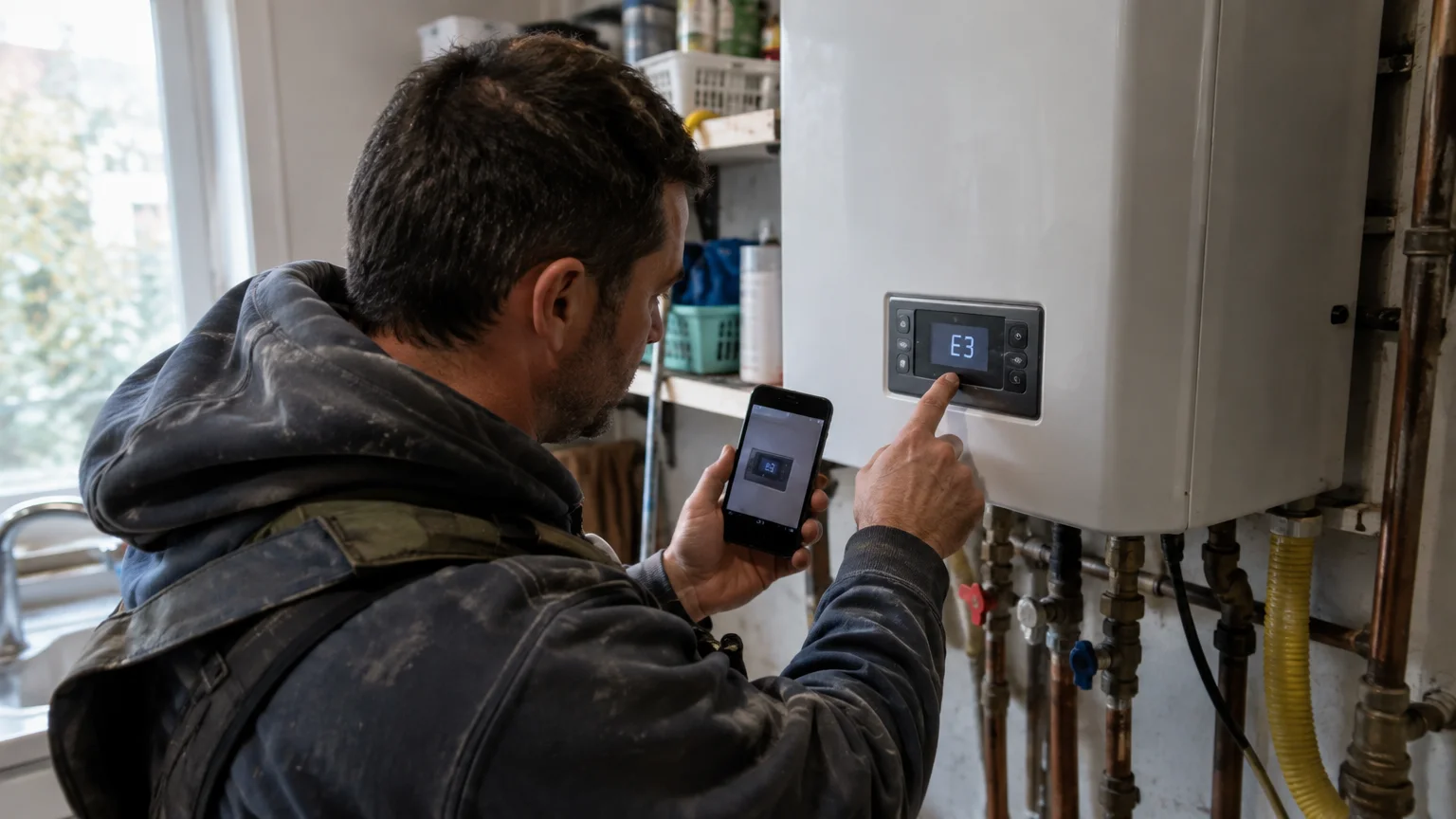
Tankless systems may show an error code or stop heating because of a flow, power, vent, or care issue. Record the code and model details. Do not reset the unit again and again when there is a leak, burning smell, or unusual heat.
When to shut off the water heater's power or fuel supply
For an electric water heater, turn off the breaker only from a dry, safe place. For a gas water heater, use the appliance control as the maker directs when there is no gas smell. If you smell gas, leave right away and contact emergency services or the gas utility from a safe place.
The water supply and energy supply are separate. Turning off one does not always stop the other. Tell the plumber which valves, breakers, or controls you changed.
What information should you give the emergency plumber?
Clear details help the emergency plumber prepare for the visit. Explain what happened, where it began, how fast water is moving, and whether the main supply is off. These details may help the plumber bring the right tools and parts.
Details to record about the problem and recent changes
Write down when the problem began and what happened before it. Recent remodeling, cold weather, a new appliance, drain cleaning, or a water pressure change may matter. Note whether one fixture or several areas are affected.
Useful details include:
- The problem type, such as a burst pipe, leak, backup, or water heater failure
- The location of visible water, stains, sounds, or odors
- Whether the main valve or fixture valve is closed
- Whether electricity, gas, sewage, or building damage may be involved
- Any error code, model number, or recent repair linked to the problem
Photos, access instructions, and property information to prepare
Take clear photos and short notes when safe. Show the damaged area, nearby valves, equipment labels, and visible property damage. Do not remove covers or enter unsafe spaces for a better picture.
Share building access instructions and explain where the main shutoff is located. Tenants should share landlord details as required by the lease. Business owners should identify closed areas, opening hours, and safety rules.
What should you check after the emergency plumbing repair?
After the repair, look for active leaks, damp materials, odd sounds, and changes in water pressure. The affected fixture should work as expected before normal use begins. A repaired pipe may stop the visible leak while water remains behind a wall or below a floor.
Signs of hidden moisture or continuing leaks
Look for fresh water spots, soft drywall, swollen trim, warped flooring, peeling paint, or a musty smell. Check nearby rooms, cabinets, ceilings, and lower floors. If the water meter moves while every fixture is off, a hidden leak may remain.
Do not cover stains or paint wet surfaces too soon. Drying may need ventilation, water removal, or help from a restoration professional. Ask the plumber which warning signs require another visit.
How to document damage and prevent a repeat emergency
Keep photos, repair records, model details, and notes about the cause. These records may help with property management or insurance claims. Follow the plumber's advice for weak parts, exposed pipes, and better access to shutoff valves.
A homeowner can test a main shutoff valve during a dry, quiet time if it turns easily. Regular checks of supply lines, toilets, faucets, and water heaters can find small problems early. A licensed professional should handle hidden pipes, gas connections, major leaks, and work that needs permits.
Key takeaways
- Protect people first and avoid water near electrical equipment.
- Shut off the main valve or fixture valve only when safe.
- Stop using fixtures connected to an overflowing toilet or blocked drain.
- Treat gas smells, sewage, exposed wires, and major building damage as urgent hazards.
- Record photos, valve positions, equipment details, and access instructions.
Frequently Asked Questions
What should be turned off during a plumbing emergency?
Turn off the main water supply or affected fixture valve when safe. An electric water heater may need its breaker turned off from a dry place. Gas appliances need extra care. Anyone who smells gas, sees fire, or faces electrical danger should leave and contact emergency services.
How can someone find a water leak in a house?
Check faucets, toilets, supply lines, ceilings, cabinets, walls, and floors for water or stains. A musty smell or moving water meter can point to a hidden leak. Do not open walls or enter wet electrical areas. A leak detection professional can find water behind finished surfaces.
Should a homeowner use drain cleaner before the plumber arrives?
No. Chemical drain cleaners can harm pipes, create fumes, and hurt someone who later works on the line. Stop using the affected fixture instead. A plunger may help with a simple, safe toilet clog, but repeated backups or sewage need professional help.
Is it safe to turn off a water heater during a failure?
It can be safe when the controls are easy to reach from a dry area. There must be no gas smell, fire, steam, or exposed wiring. Electric units may be switched off at the breaker. Gas concerns require immediate exit and help from the gas utility or emergency services.
What should tenants do before an emergency plumber arrives?
Tenants should protect people, stop using affected fixtures, and close an easy-to-reach valve when safe. They should notify the landlord or property manager under the lease rules. Photos and clear notes can help explain what happened. Tenants should not remove walls or attempt risky repairs.
What is the best next step during a plumbing emergency?
The best next step is to control the water only when safe, keep people away from hazards, and share clear details with a qualified emergency plumber. Denton Texas Plumbing supports urgent plumbing needs and helps property owners plan the next safe repair step. Contact us to arrange emergency plumbing assistance.